No matter your budget, group size, travel duration, preferred activities, or level of adventure, we’ve got you covered.
Packing List for Kilimanjaro
What is the Packing List for Kilimanjaro Trek?
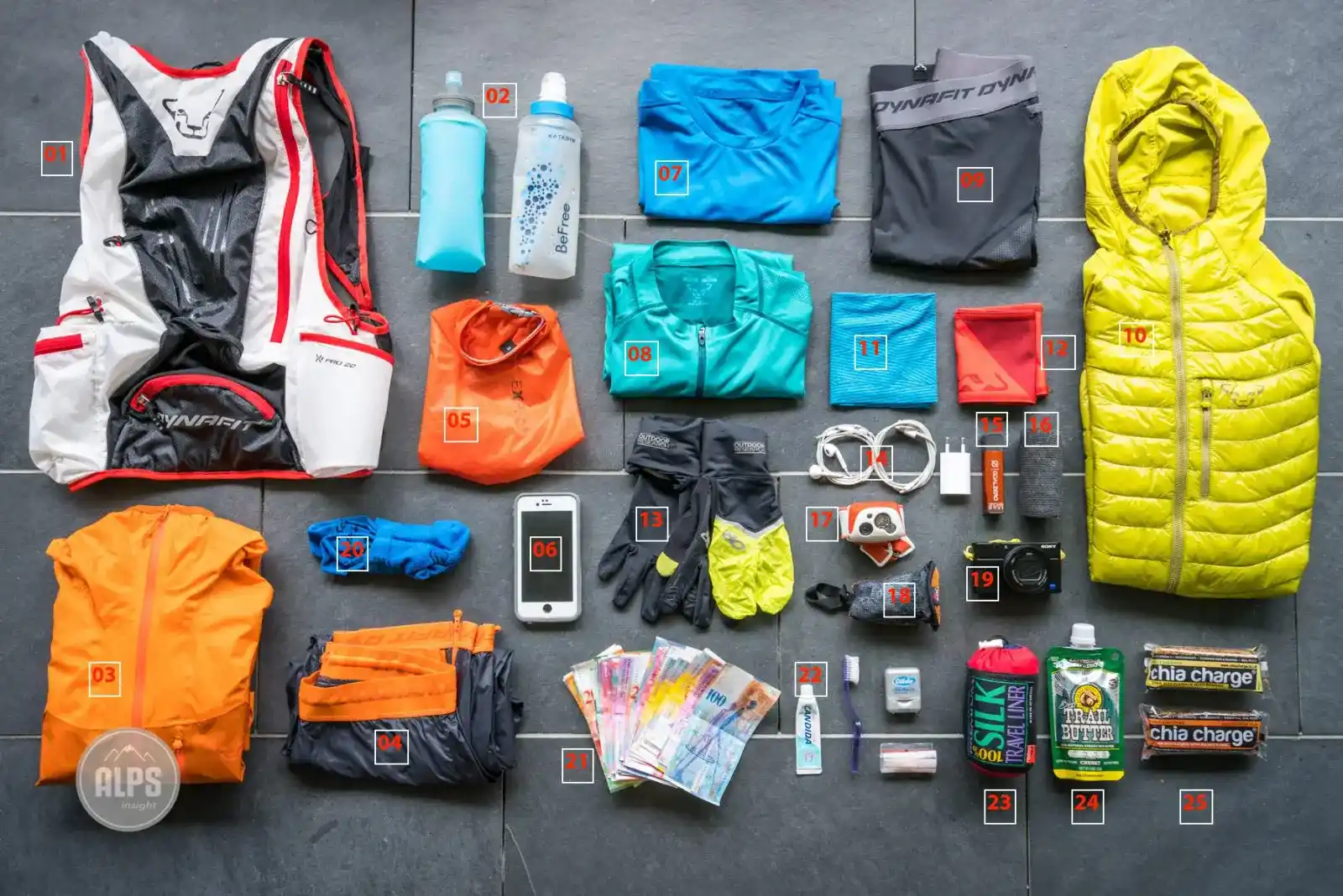
Preparing for a Mount Kilimanjaro trek requires the right gear and proper planning to ensure a safe, comfortable, and successful climb. From warm layered clothing and waterproof hiking boots to sleeping bags, daypacks, and personal essentials, having the correct packing list is one of the most important parts of your adventure. In this guide, we’ll cover everything you need to pack for your Kilimanjaro trek, helping you stay prepared for changing weather conditions and high-altitude trekking on Africa’s highest mountain.
Clothing (Layered System)
Base Layers (Moisture-Wicking)
- 2–3 short-sleeve technical t-shirts (synthetic or merino wool)
- 2 long-sleeve thermal tops
- 2 thermal leggings (base layer bottoms)
- 4 pairs of quick-dry underwear
- 3–4 pairs of trekking socks (wool or synthetic)
Insulation Layers
- 1 fleece or merino wool pullover
- 1 lightweight insulated jacket (down or synthetic)
- 1 heavyweight fleece or hoodie
- 1 pair of warm trekking or fleece pants
Outer Shell (Wind & Waterproof)
- 1 waterproof, breathable jacket (Gore-Tex or equivalent)
- 1 pair of full-zip waterproof pants
Trekking Pants & Casual Layers
- 2 pairs of hiking trousers (durable and quick-drying)
- 1 pair of shorts (optional for hot lower slopes)
- 1 lightweight outfit for sleeping or evenings (e.g., leggings and sweatshirt)
Head, Hand & Footwear Gear
Headwear
- Insulated beanie (summit essential)
- Wide-brimmed hat or cap (sun protection)
- Neck gaiter or buff (wind/dust barrier)
- UV-blocking sunglasses (category 3 or 4)
Handwear
- Lightweight liner gloves
- Warm insulated gloves or mittens (for summit night)
Footwear
- Waterproof hiking boots (well-broken in, good grip)
- Camp shoes or sandals
- Optional: gaiters (useful in wet/muddy sections or scree)
Backpacks & Bags
Below is the list;
- Daypack (25–35L) with padded straps and rain cover
- Duffel bag (60–80L max, soft-sided, carried by porters) – 15 kg limit
- Dry bags or compression sacks (to organize and waterproof gear)
- Plastic liners or trash bags (extra waterproofing)
Sleeping Gear
Below is the list;
- 4-season sleeping bag (rated to at least -10°C / 14°F)
- Sleeping bag liner (adds warmth and hygiene)
- Compact pillow or inflatable pillow (optional)
- Foam sleeping mat – usually provided by your operator
Hydration and Nutrition
Below is the list
- OR 1 hydration bladder (2–3L) – not ideal on summit night due to freezing
- Electrolyte tablets or hydration mixes
- High-calorie snacks (trail mix, bars, energy chews)
- Optional: personal tea/coffee sachets or comfort drinks
Toiletries & Hygiene
Below is the list;
- Toothbrush and small toothpaste
- Biodegradable soap or body wipes
- Wet wipes (daily sponge baths)
- Hand sanitizer (essential!)
- Toilet paper in ziplock bag
- Quick-dry towel
- Lip balm with SPF
- Sunscreen (SPF 30 minimum)
- Menstrual supplies (if applicable)
- Pee bottle/funnel (especially for cold nights)
Health & First Aid
Below is the list;
- Any personal prescription medications
- Diamox (if prescribed for altitude)
- Ibuprofen or paracetamol (for headaches and soreness)
- Anti-diarrhea meds (e.g., Imodium)
- Rehydration salts
- Blister care kit (e.g., moleskin, Compeed)
- Personal mini first-aid kit
- Throat lozenges (for cold/dry air)
- Nail clippers and tweezers
- Insect repellent (especially for lower zones)
Accessories & Electronics
Below is the list;
- Headlamp (required for summit) + spare batteries
- Power bank (no charging points on the route)
- Camera or smartphone (in airplane mode)
- Charging cables
- Travel plug adapter (Tanzania uses UK-style Type G)
- Lightweight book, e-reader, or journal
- Trekking poles (essential for Umbwe’s steep terrain)
Documents & Essentials
Below is the list;
- Valid passport and copy
- Yellow fever certificate (if applicable)
- Tanzania visa (or e-visa printed out)
- Travel insurance (must cover >4,500m trekking and evacuation)
- Emergency contact info
Optional But Useful
Below is the list
- Journal & pen
- Book or e-reader for downtime
- Small binoculars (for wildlife)
- Lightweight slippers (for hut wear)
Other Blog
Chat with our Expert